
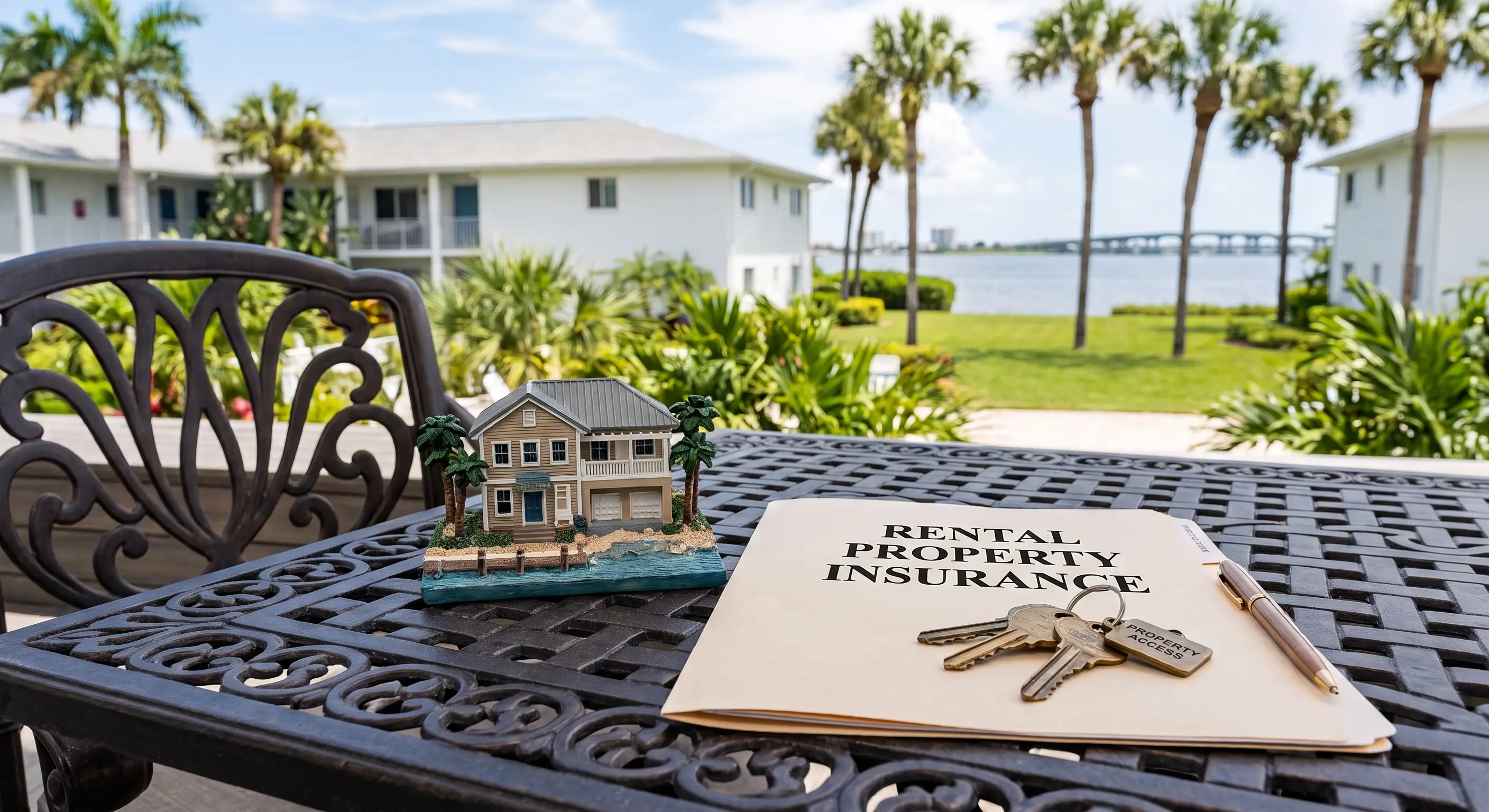
Hurricane season doesn't ask permission before it shows up in Melbourne. One direct hit, one week of relentless rain, one burst pipe while a tenant is out of town, and years of equity can vanish overnight.
Florida landlords who've been in this business long enough know that storms aren't a maybe. They're a when. That's why rental property insurance isn't a box to check off. It's the difference between absorbing a bad month and losing everything you've worked to build.
Owning a single-family home, a condo, or several units scattered across Brevard County comes with the same exposure no matter the property type. The right coverage does three things at once. It protects your structure, keeps your rental income flowing, and shields your personal assets from lawsuits you never saw coming.
Here's what property owners in Melbourne actually need to have in place before the next storm rolls in.
Key Takeaways:
- Standard landlord policies cover the structure, liability, and lost rental income, but not flood damage
- Melbourne's coastal exposure makes wind mitigation and flood coverage priorities, not extras
- Requiring tenant renters insurance closes a common liability gap for owners
- Regular policy reviews catch outdated coverage before a claim exposes the gap
What Standard Landlord Insurance Actually Covers
Every landlord policy is built around a handful of core protections that work together to cover different types of risk. Here are the main coverage types every rental property owner in Melbourne should understand.
Structural Damage Falls Under Dwelling Coverage
Dwelling coverage pays to repair or rebuild the physical structure of your rental property after fire, wind, or other covered events. This is the core of any landlord insurance policy, and it's usually calculated based on the cost to rebuild, not the market value of the home.
Liability Coverage Protects Against Injury and Legal Claims
Liability coverage steps in when someone gets hurt on your property. A slip on a wet stairwell or a dog bite from a tenant's pet can trigger a lawsuit fast. Personal liability coverage helps cover legal fees, medical expenses, and settlements tied to bodily injury claims. Without it, your bank accounts and other personal assets could be exposed.
Here's what a typical rental property insurance policy usually includes:
- Dwelling coverage for the structure itself
- Liability coverage for injury or property damage claims
- Loss of rental income if the property becomes uninhabitable
- Personal property coverage for items you own inside the unit, like appliances
Coverage Gaps Landlords Often Miss
Water damage from rising floodwater isn't the same as water damage from a burst pipe, and many landlords assume comprehensive coverage handles both. It doesn't. Flood insurance is a separate purchase, and in a coastal market like Melbourne, skipping it is a gamble few investors should take.
Normal wear and tear is expected. Intentional damage or neglect isn't. Extra coverage can fill the gap when tenant damage exceeds a security deposit, which is one more reason to screen tenants carefully.
- No flood coverage under a standard rental property insurance policy
- No protection for tenant damage that goes beyond normal wear and tear
- No automatic coverage for loss of rental income during flood-related repairs
- No liability protection tied specifically to flood or water damage claims
Ready to see where your current policy falls short? Solutions Property Management can walk through your coverage options and flag any gaps before storm season puts them to the test.
Landlord Insurance vs. Tenant's Renters Insurance — Where Responsibility Splits
Landlord insurance covers the building and the owner's liability, but it stops there. It does not cover a tenant's furniture, electronics, or personal belongings sitting inside the unit. If a fire, storm, or burst pipe destroys a tenant's couch or laptop, that loss falls outside the owner's policy entirely.
That's what renters insurance is for, and requiring proof of it as a lease condition is standard practice among experienced property owners. It's a simple line item to add to a lease, and it closes a gap that catches new landlords off guard more often than expected.
There's a liability upside too. When tenants carry their own personal liability coverage, it adds a layer of protection for everyone involved. If a tenant's guest is injured inside the unit, the tenant's policy may respond first, reducing the chance that the claim lands entirely on the owner's policy. That single requirement can save a landlord from a drawn-out litigation process down the road.
How Property Managers Help Owners Stay Properly Covered
Filing an insurance claim after storm or water damage involves photos, repair estimates, and ongoing communication with the carrier. A property manager who knows the property can move through that process faster than an owner managing things from a distance.
Insurance needs also shift as property values rise, mortgages change, or ownership moves into an LLC. Many landlords set a policy once and forget it.
A property manager brings consistency to how properties stay insured, whether you own one rental or a growing portfolio. Here are the ways that oversight helps:
- Handling claims documentation and photos right after storm or water damage
- Communicating directly with insurance carriers to speed up the claims process
- Flagging outdated coverage through annual policy reviews
- Adjusting coverage as property values, mortgages, or ownership structures change
Quick Answers for Melbourne Property Owners
Q: Does rental property insurance cost more than a standard homeowner's policy?
Yes, typically. Rental properties carry more risk than owner-occupied homes, so insurance premiums tend to run higher to reflect tenant turnover and liability exposure.
Q: Can owners bundle multiple properties under one policy?
Many insurance carriers offer multi-property policies for landlords with several rentals, which can simplify management and sometimes lower overall costs.
Q: What documentation do owners need when filing a storm-damage claim?
Photos of the damage, repair estimates, and a copy of the current policy are usually required. Keeping this organized ahead of time speeds up the claims process significantly.
Protecting Your Melbourne Rental Starts With the Right Policy
Real estate is one of the most reliable ways to build wealth, but only if the risk gets managed properly along the way. A single uninsured event can undo years of steady returns faster than most owners expect. Rental property insurance policies exist to protect your investment property, your rental income, and your personal assets from the unexpected, whether that's a fire, a lawsuit, or a storm that shuts a unit down for months.
In a market like Melbourne, where hurricanes and flooding are simply part of the territory, that protection matters even more. The owners who treat insurance as a foundation, not an afterthought, are the ones who keep building wealth instead of rebuilding from scratch.
If you're ready to review your coverage or want a second opinion on your current policy, reach out to Solutions Property Management through our online form and get a quote today.